


Visit Our Sister Company
Fire safety compliance across multi-location commercial properties is rarely a knowledge problem because most operators already know the ins and outs. They understand that sprinkler systems, alarms, suppression systems, emergency lighting, and exit pathways all have to work when needed without fail. The harder problem is execution, which must run seamlessly across dozens or hundreds of sites, each with different vendors, local inspectors, and documentation habits. When struggling to cope with such volume and variances, even the most sophisticated portfolios start to slowly drift out of compliance.
For operations directors managing 25 or more locations, fire protection is not just a code issue but a never-failing safety obligation, an insurance issue, and a continuity risk. A missed inspection at one site can have a domino effect by creating far more than a local problem. It exposes a broader gap in how the portfolio tracks inspection cadence, repairs, impairments, and records.
The baseline answer to the above question starts with nationally recognized standards and ends with local enforcement across the board. NFPA 25 is the principal standard for inspection, testing, and maintenance of water-based fire protection systems such as sprinklers. NFPA 72 governs fire alarm and signaling systems, which includes inspection, testing, and maintenance requirements. Each location answers to its local Authority Having Jurisdiction, or AHJ. The AHJ is the organization, office, or individual responsible for enforcing the required code and approving systems or procedures.
This last point matters far more than many multi-site operators expect. A national standard creates the baseline, but the AHJ decides how that standard is applied in practice at the local level. Two stores with similar layouts in different jurisdictions may face very different documentation expectations, testing schedules, correction timelines, or inspection criteria.
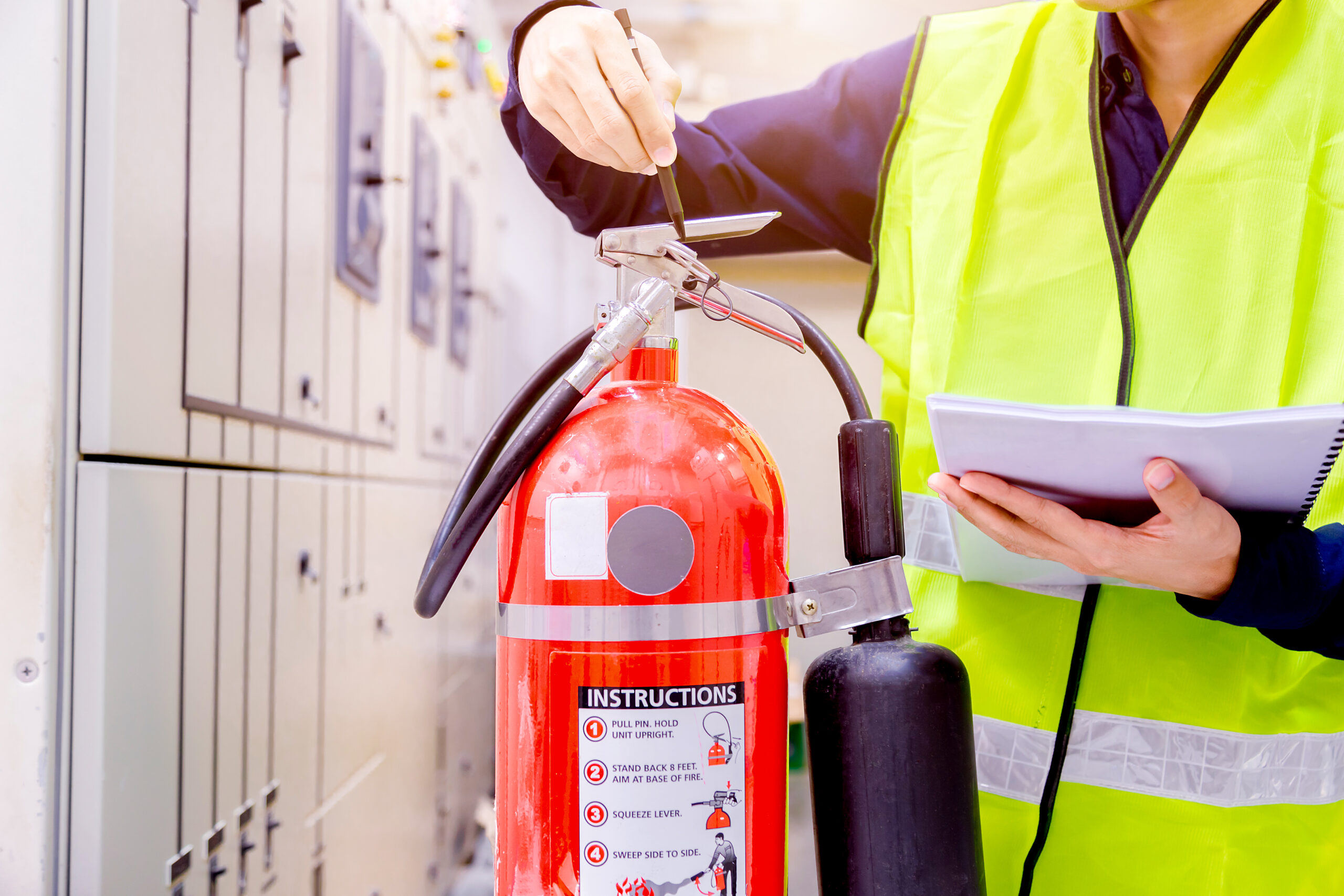

Every location should have a current inventory of its life safety systems and the inspection cadence tied to each one. At a minimum, that should include the sprinkler systems, fire alarms, suppression systems where applicable, emergency lighting, and egress signage. OSHA also requires exit routes and signs to remain visible and properly illuminated. Overall, this ends up turning even basic housekeeping and maintenance into a compliance issue because it’s no longer just a facilities issue.
This is typically where compliance programs start to fail. The failure isn’t due to the company forgetting it even has sprinklers, but because a repair at one location was skipped, an inspection report was not corrected, a follow-up was missed or emerging lighting tests were not properly carried out from site to site. The portfolio looks compliant until an audit, claim, or incident occurs and quickly reveals that the records do not support that assumption.
NFPA 25 inspection requirements are what form the baseline program for water-based fire protection systems. It is viewed as the standard that’s used to verify that sprinkler systems and related components are being inspected, tested, and maintained often enough to remain reliable. NFPA’s standard covers inspection frequencies and maintenance expectations which are all intended to protect system integrity over time.
Some tasks are quarterly, some annual, and some occur on other intervals depending on the component involved. Fire alarms are governed by NFPA 72. However, kitchen suppression systems and emergency lighting may follow different schedules driven by the system type, occupancy, and local enforcement. The mistake enterprise operators make is assuming “annual fire inspection” covers everything in its entirety, but it doesn’t. Compliance is a calendar made up of multiple overlapping requirements that need to be monitored.
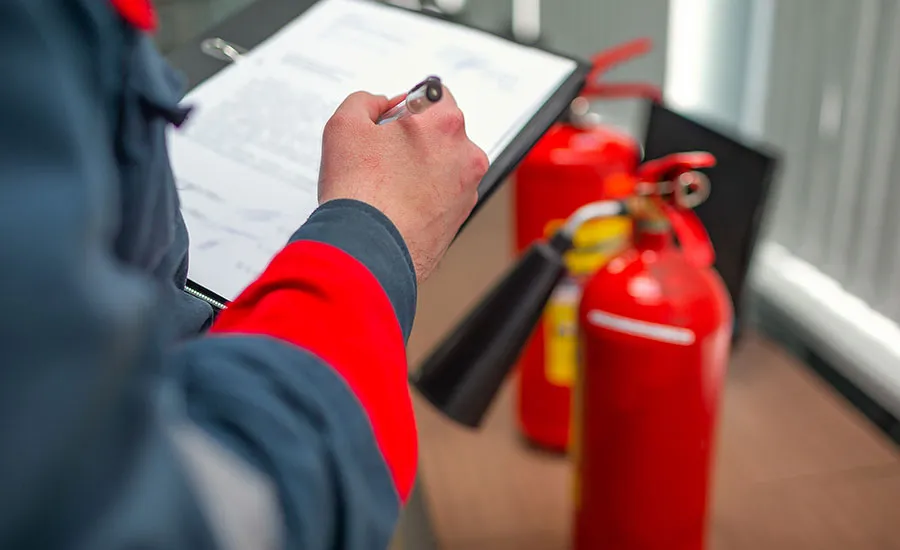
The most common failures are boring, but that’s exactly how they become so dangerous. Missed inspection cadences, documentation gaps, deferred corrective work, untracked impairments, and inconsistent vendor performance across markets can quickly snowball into serious problems. They are not dramatic failures until a fire marshal asks for your records, an insurer reviews a loss, or a site cannot prove that a critical life safety system was in service when asked.
The cost of non-compliance is also broader than a simple citation. Serious violations can quickly trigger fines, required corrective action, delays in occupancy, and in some cases operational shutdowns until compliance is restored. Insurers also pay close attention to impairment management because impaired or poorly maintained systems increase expected loss severity.
A workable program usually starts with five controls that you can’t overlook.

Fire safety inspections follow different cadences depending on the system. Sprinkler systems require monthly visual checks for gauges and control valves, quarterly inspections for alarm devices, and annual full system inspections under NFPA 25. Fire alarm systems are typically inspected and tested annually under NFPA 72, with some components checked semiannually or quarterly. Emergency lighting is usually tested monthly with a full 90-minute test annually. Local AHJ requirements can adjust these intervals, so enforcement may vary by jurisdiction.
NFPA 25 requires a combination of inspection, testing, and maintenance activities at set intervals. Control valves are inspected monthly, waterflow alarms are tested quarterly, and full system inspections are conducted annually. In addition, internal pipe inspections for obstruction are required every five years, and certain components like gauges and sprinklers must be replaced or tested at longer intervals depending on type and age. These schedules are designed to ensure the system remains operational and reliable at all times.
The result can include written violations, mandatory corrective action, fines, delayed occupancy, or even closure if serious hazards are noted. The exact consequence depends on the jurisdiction and severity of the issue involved.
The strongest approach is centralized tracking with local code awareness. National standards provide the baseline. However, each site still has to satisfy its local AHJ, maintain inspection records, close deficiencies, and document impairments.
For multi-location operators, a compliance gap in one location can rapidly have portfolio-wide consequences. An annual portfolio-wide fire safety compliance audit conducted by a qualified national partner is not just a regulatory safeguard, but also a practical risk management measure that helps protect uptime, insurability, and life safety.